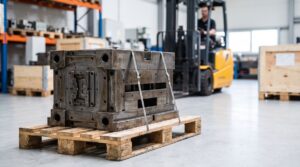

What is Injection Moulding
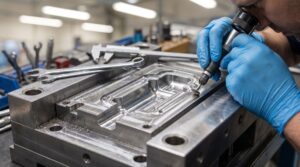
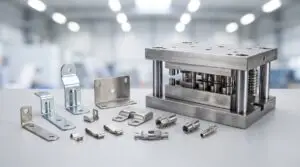
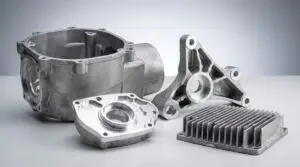
Injection Moulding is a manufacturing process that injects molten plastic into a mould, cools it, and solidifies it into the finished part. It’s an efficient, high-production method used to create a variety of plastic parts in a wide range of industries, from automotive to medical.
Sino has been manufacturing precision injection mould tools since 2003. With 21 years of specialist experience, you’ll be reassured that every functional, aesthetic, and cost challenge is resolved.
Injection moulding has been widely adopted in mass production for its versatility, with options for materials including a large range of metals, elastomers, glasses, and thermosetting polymers. When you need a method of mass production with guaranteed predictability, efficiency, and precision in every product, it can produce large quantities of identical products in a short time, with minimal waste and defects.
This blog will explore the key benefits of injection moulding over alternative methods such as CNC machining and 3D printing.
Benefits of Injection Moulding
Speed and Efficiency of Production:
Once designed and produced, the mould-injection process is fairly quick. Of course, cycle times can vary with the part’s size and complexity, but they can be as little as a couple of seconds.
Injection Moulding follows an efficient 4-stage process, which involves clamping, injection, cooling, and ejection. By consistently following this process and using the right equipment, you will be able to produce parts without defects like flow lines and sink marks at the high output levels necessary for mass production. Injection moulding gives your business a competitive edge and higher profitability, helping you stay ahead of competitors.
Cost Effectiveness:
As production output levels rise, the cost per part decreases. This relationship makes injection moulding low-cost compared to alternative methods, as automated machinery reduces labour costs. Injection moulding can also handle complex designs with multi-part assemblies in one part, reducing assembly steps and costs.
Durability and Strength:
2k injection moulding produces parts with excellent structural integrity, and adding fillers to this material can improve your product’s strength while keeping it lightweight and cost-effective. In addition to a robust structure, the parts are able to resist chemicals and environmental factors such as temperature and humidity shifts. The injection mould pressure can be changed to make your final product stronger and more durable; this will increase market value and reduce waste levels.
Precision of Design:
Where consistency is essential, injection moulding creates thousands of identical parts with minimal variation. There are techniques that engineers can implement for additional precision, from controlled shrinkage, real-time monitoring, and gas-assisted injections to precise pressure/temperature settings. The combination of these factors allows the production of complex parts with excellent dimensional accuracy and repeatability, which is essential for high-performance applications.
Injection moulding’s versatility in design and functionality makes it a preferred choice across various industries. The ability to integrate multiple features into a single part and the achievement of precision and consistency across thousands of production batches in a cost-effective way.
Sino recommends the use of the right machinery and specialists as part of any injection moulding process. Our experienced toolmakers and engineers follow an industry-leading approach to toolmaking standards, reassuring our clients every step of the way.