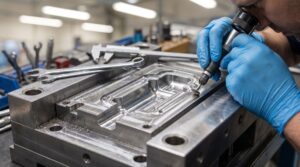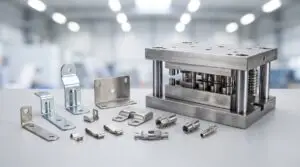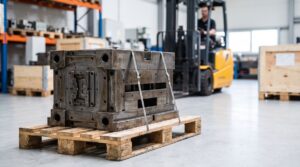

Injection moulding is a manufacturing process in which molten material, typically plastic, is injected into a mould cavity, cooled, and then ejected as a solid finished part. This versatile process is used to produce a wide range of products, from small, intricate components to larger, more complex items. Its applications span various industries, including automotive, electronics, medical devices, and consumer goods.
Sino Manufacturing, a UK-owned company based in China, specialises in providing high-quality, cost-effective injection moulding solutions. With expertise in various types of injection moulding, Sino supports industries in producing reliable, precise products that meet their specific needs.
The Injection Moulding Process
Melting the material
The process begins with feeding raw material, usually plastic pellets, into a heated barrel. The heat melts the plastic, turning it into a molten state.
Injecting the molten material
Once melted, the plastic is injected into a mould cavity. The mould is a custom-designed tool that shapes the plastic into the desired form.
Cooling and solidification
After the molten plastic fills the mould, it is allowed to cool and solidify. Cooling is essential to ensure the part retains its shape and achieves the required strength.
Ejecting the finished product
Once the plastic has hardened, the mould opens and the finished part is ejected. The part is now ready for any additional processing or assembly.
Different Types of Injection Moulding
Die casting
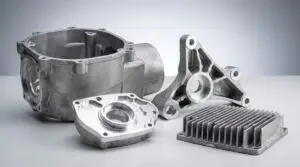
Die casting is a process similar to injection moulding but typically uses metal instead of plastic. Molten metal is injected into a steel mould to create strong, precise parts. This method is especially beneficial in industries like automotive and aerospace, where high-strength, durable components are required.
Split cavity
Split cavity injection moulding involves using a mould that can split into multiple parts, allowing for the creation of more complex shapes. Unlike traditional moulds, which are solid, split cavity moulds can produce intricate parts that would be difficult or impossible to make with a single-piece mould.
2k moulding (two-shot moulding)
2k moulding or two-shot moulding, involves injecting two different materials into the same mould in two stages. This allows manufacturers to create parts with multiple materials or colours in a single production cycle, enhancing the products functionality and appearance.
Hot runner systems
In hot runner systems, the plastic remains heated as it flows through the mould’s channels, ensuring that the material doesn’t cool and solidify before reaching the mould cavity. This differs from cold runner systems, where the plastic cools down in the channels, often leading to waste. Hot runner systems reduce waste and improve the efficiency of the injection moulding process.
Over moulding
Over moulding is a technique where one material is moulded over another. For example, a soft rubber grip might be over-moulded onto a hard plastic handle. This method is often used to combine different material properties in a single part, like adding grip or cushioning to a rigid component.
Applications of Injection Moulding
Automotive Industry
Injection moulding in the automotive industry helps to produce components like dashboards, bumpers, and interior trims. The process allows manufacturers to create durable, precise parts that meet the safety and aesthetic standards required in vehicles.
Electronics Industry
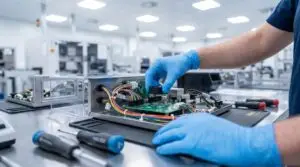
In the electronics sector, injection moulding is used to make housings for devices, connectors, and insulators. The ability to produce small, intricate parts with high accuracy makes it ideal for the fast-paced electronics market.
Medical Devices
Medical devices often require parts that are both precise and reliable. Injection moulding is used to manufacture items like syringes, diagnostic equipment and surgical instruments. The process ensures that these critical components meet strict regulatory standards.
Customisation and large-scale production
One of the key benefits of injection moulding is its ability to produce customised parts in large volumes. Whether it’s a specific shape, size or material requirement, injection moulding can cater to the unique needs of different industries. This makes it an ideal choice for businesses looking to scale up production while maintaining consistent quality.

Need help with a project?
Choosing the right type of injection moulding is crucial for achieving the best results in your application. Whether you need durable automotive parts, precise electronics components or customised medical devices, the correct moulding technique can make all the difference.
At Sino, we specialise in providing high-quality, cost-effective injection moulding solutions tailored to your needs. Our expertise in different types of injection moulding ensures that we can support you in producing reliable, high-performance products.
Reach out to our friendly team today. We’ll gladly complete an NDA and provide expert advice tailored to your requirements, timescale and budget.