

At first glance, injection moulding looks the same whether you are making a car component or a medical device. Plastic is heated, injected into a tool, cooled, and repeated thousands or even millions of times. So why should you care about the difference?
Because when something goes wrong, the impact is very different. In automotive manufacturing, a faulty part may lead to performance issues, rework, or warranty claims. In medical manufacturing, that same fault could affect patient safety or delay regulatory approval. That is why engineers, buyers, and medical mould manufacturers approach these projects with very different mindsets.
Injection moulding plays a vital role in both sectors, but materials, standards, and risk profiles change how parts are designed and produced. Automotive projects tend to focus on strength, speed, and cost. Medical device injection moulding places far more weight on precision, cleanliness, and control.
In this article, we will explore how advanced materials shape injection moulding in automotive and medical applications, and why understanding these differences early can save time, cost, and risk later on.
Automotive vs Injection Moulding
Material choice is one of the most important decisions in any injection moulding project. The material you select affects how the part performs, how the tool is built, how the process is validated, and how long the product lasts.
In automotive manufacturing, material decisions are usually driven by performance. Can the part handle heat, vibration, and chemicals? Will it hold its shape over time? Can it be produced efficiently at volume?
For injection moulding medical products, the questions change. Is the material biocompatible? Can it be sterilised without degrading? Will it behave consistently across every batch? Patient safety and compliance always come first.
These different priorities influence more than just the part itself. Material choice impacts tooling complexity, validation requirements, and overall lifecycle cost. Getting it right early helps reduce redesigns, delays, and unnecessary expense.
Automotive Injection Moulding: Strength, Volume and Efficiency
Automotive injection moulding is built around scale. Many programmes require high volumes, fast cycle times, and reliable repeatability. Parts must perform in tough environments where heat, stress, vibration, and chemicals are part of everyday use.
Materials and Tolerances
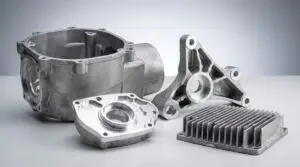
Common automotive polymers include ABS, polypropylene, polyamide, polycarbonate, and fibre-reinforced plastics. These materials offer a practical balance of strength, durability, and cost, making them suitable for interior, exterior, and engine bay components.
Precision still matters, but automotive parts usually allow wider tolerances than medical components. This flexibility helps manufacturers achieve faster cycles and higher output without sacrificing function.
Quality and Compliance
Automotive manufacturing follows structured quality systems such as IATF 16949. Validation focuses on performance, safety, and long term reliability rather than biological compatibility.
Since 2003, Sino Manufacturing has supported automotive programmes for global OEMs, supplying injection mould tooling and components across a wide range of applications. That experience brings a practical understanding of how materials and tooling perform at scale.
Medical Injection Moulding: Precision, Purity and Patient Safety
Medical injection moulding operates under a very different level of responsibility. Every decision must support safety, consistency, and regulatory compliance. This is why medical mould manufacturers work to far tighter controls.
Materials and Performance
Materials used in medical device injection moulding must meet strict biocompatibility requirements and withstand sterilisation processes such as autoclaving, gamma irradiation, or chemical cleaning. Medical grade polypropylene and polyethylene are common, alongside polycarbonate, PEEK, and specialist elastomers.
Tolerances and Manufacturing Environment
Many medical components are small, complex, and highly precise. Micro moulding and ultra tight tolerances are often required, sometimes measured in microns. To protect part quality, injection moulding medical products is frequently carried out in cleanroom or controlled environments where contamination risks are tightly managed.
Quality and Regulatory Compliance
Medical manufacturing must comply with ISO 13485 quality management systems and meet regulatory requirements set by bodies such as the FDA, EU MDR, and UKCA. Full material traceability, detailed documentation, and repeatable processes are essential.
Sino Manufacturing operates an ISO 13485 certified quality system and has experience delivering medical and healthcare components where precision and consistency are critical.
Tooling, Validation and Manufacturing Environment Differences
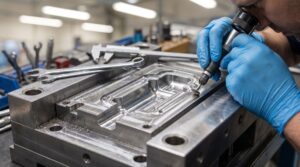
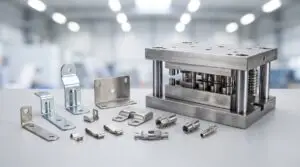
Tooling strategy highlights many of the differences between automotive and medical injection moulding. Automotive tools are often designed for durability and fast cycling to support long production runs. Medical tools tend to be more complex, with tighter tolerances and finishes that support hygiene and performance.
Validation also varies. Automotive programmes typically rely on ISIR and PPAP documentation. Medical projects require deeper validation to support regulatory approval, including extensive mould trials and documented process control.
The manufacturing environment plays a role too. Automotive moulding usually takes place in standard factory settings. Medical moulding often requires cleanroom or controlled conditions.
Early design involvement and in-house tooling make a real difference here. Sino Manufacturing’s in-house toolroom, MoldFlow analysis, and full tool validation capabilities help teams identify risks early and refine designs before production begins.
Risk, Regulation and Why Sector Experience Matters
Risk looks very different depending on the sector. In automotive projects, risk often relates to performance, cost, and warranty exposure. In medical projects, risk extends to patient safety, compliance, and market approval.
This is why not every injection moulder is suited to medical work. Medical mould manufacturers must demonstrate strong quality systems, regulatory understanding, and disciplined processes.
For engineers and procurement teams, working with partners who understand these differences reduces uncertainty and supports smoother development. That experience matters most when injection moulding medical products for regulated markets.
One Technology, Two Very Different Responsibilities
Injection moulding supports both automotive and medical manufacturing, but the responsibilities behind each are not the same. Automotive projects focus on durability, efficiency, and volume, while medical projects demand precision, control, and compliance at every stage.
Across both sectors, success depends on material knowledge, validated tooling, and strong quality systems. Understanding these differences early helps teams make better decisions and avoid unnecessary risk.
Manufacturers with experience across both industries, such as Sino Manufacturing, are able to apply the right approach to each challenge. Contact Sino today to gain clear, practical guidance on material choices, tooling strategy, and validation requirements, delivered from the very first conversation.
By combining automotive performance insight with the discipline expected of medical mould manufacturers, their team helps you ask the right questions, reduce risk early, and explore your options with no pressure to commit before moving into production.