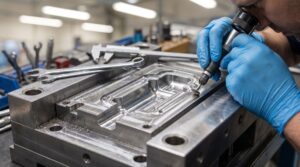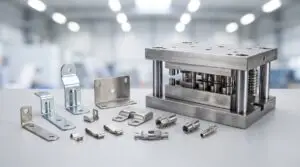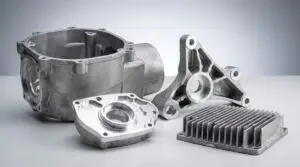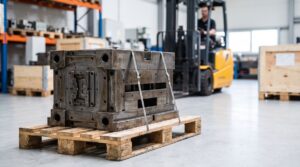

Die casting is a manufacturing process used to produce metal components with high precision and dimensional accuracy. The technique is used in many industries with a need for dimensional accuracy, such as the Medical, Automotive and Aerospace Industries. Die casting works by forcing molten metal under high-pressure into reusable moulds, known as dies. It stays there until it has cooled and hardens, resulting in a final casting. This casting will then need to undergo further finishing techniques to enhance the look and meet precision standards.
Sino’s team of dedicated die-casting engineers and toolmakers are both highly skilled and extremely experienced. Our service includes everything, from the creation of well-designed tools, to support throughout the die-casting process. In this blog, we are going to explore the many benefits of die-casting, the drawbacks, and why it’s preferred over other techniques such as metal stamping. Let’s discover why Die-casting is the method for you…
Advantages of Die-Casting
Master of Mass Production – Die-casting is favoured for its high dimensional precision and repeatable results, making it ideal for creating mass amounts of parts in an efficient time.
Improved Strength to Weight Ratio – Die-cast components are often stronger than components made using other methods, like casting or forging, which can lead to a better strength-to-weight ratio, (particularly important in industries like aerospace and automotive).
High Dimensional Tolerance – Die parts have a high tolerance when it comes to being exposed to harsh external conditions, the parts maintain their dimensional accuracy and are more durable than other materials.
Overall Low Total Cost – Although the initial investment in mould creation and automation may be high, cost per piece significantly decreases as the volume increases. In the long term you receive more compensation and lower operation costs compared to other casting processes.
Thin Wall Sections – Die casting is especially well-suited for producing parts with very thin walls without compromising strength or durability. This feature is particularly beneficial in industries like automotive, where reducing weight is a priority.
Disadvantages of Die-Casting
Limited Material Restrictions – Die casting is primarily suited for non-ferrous metals such as aluminium, zinc, magnesium, and copper alloys. However, it’s not ideal for casting ferrous metals like steel or iron, which limits its material versatility.
Not Suitable for Low-Volume Production – Die casting is not a rational choice for low-volume production because the tooling cost of die-casting machines, labour cost, and maintenance are expensive short term.
Porosity and Surface Defects – In the die-casting process, the molten metal fills the mould capacity at a high speed, but the cavities lack gas permeability. The die-casting process can result in gas or air pockets being trapped in the final par and appearing as porous surface defects. This can weaken the component and require additional post-processing or quality control to ensure it meets the required standards. The high injection pressure can also cause surface defects like roughness and marks from the mould cavity.
After hearing about the advantages and disadvantages of die casting, it might be challenging to decide whether it’s the right method for you, but this all comes down to your project’s requirements and if they match its properties. Overall Die casting is better for producing elaborate designs, challenging shapes or thin walls because of its high precision and intricacy.
If you need support with your die-casting projects, contact our team to get specialist advice.